
01
An outdoor room with a clear boundary
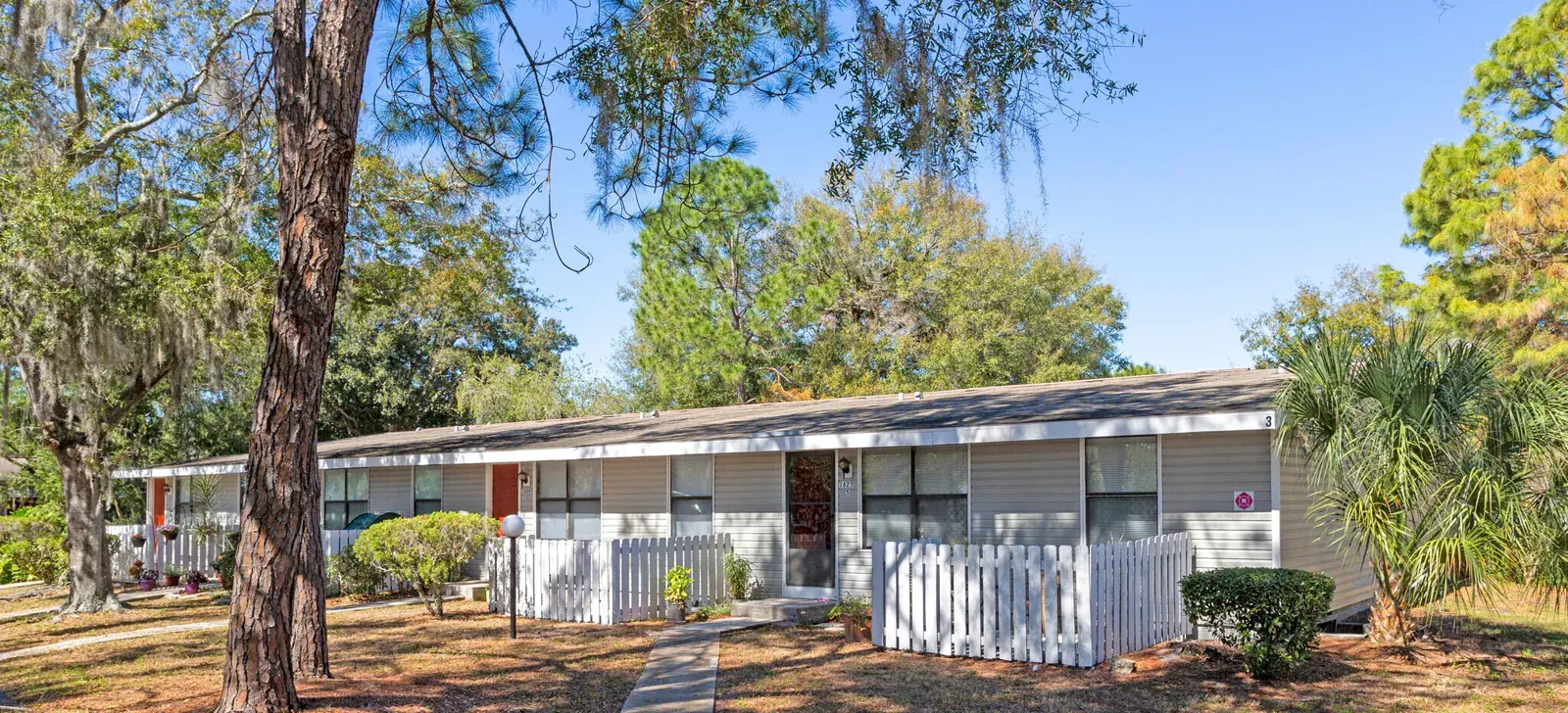
A fenced patio visually separates a small area from shared grounds, giving residents a defined place for fresh air, a morning drink, container plants, or a simple seating arrangement. Because it is attached to the apartment, it can feel like an extension of the living room rather than a separate destination.
Measure the usable area and notice the surface, drainage, shade, gate, and relationship to neighboring patios. The sense of privacy depends on fence height, gaps, nearby paths, and the apartment’s orientation.
02
Safety still requires attention
A fence is not a guarantee of security or pet containment. Inspect latches and gaps, supervise children and animals, and follow lease rules for outdoor use. Plants, furniture, grills, storage, decorations, and screens may be restricted for fire safety, appearance, or maintenance access.
Keep the route to the door clear and avoid storing weather-sensitive or valuable belongings outside. Florida sun, wind, and heavy rain call for durable items and a plan to bring loose objects indoors.
03
Confirm the exact patio offered
Private outdoor configurations can vary by apartment. Ask whether the available home has a fenced, screened, or open patio; who maintains it; and what changes or furnishings are permitted. Read the lease addenda before planning pet use or a garden.
Local photography shows private outdoor areas at select homes. This site presents the patio as an apartment-specific feature rather than a promise for every floor plan.