

01
Listen at more than one moment
Sound changes across the day. Morning departures, school traffic, landscape maintenance, deliveries, evening activity, and weekend patterns may reveal different aspects of a location. Visit when you would normally be home and spend a few quiet minutes listening inside and outdoors.
Ask where the apartment sits relative to roads, parking, service areas, gathering spaces, and mechanical equipment. Even within one community, building orientation and distance can create noticeably different conditions.
02
Look at the apartment itself
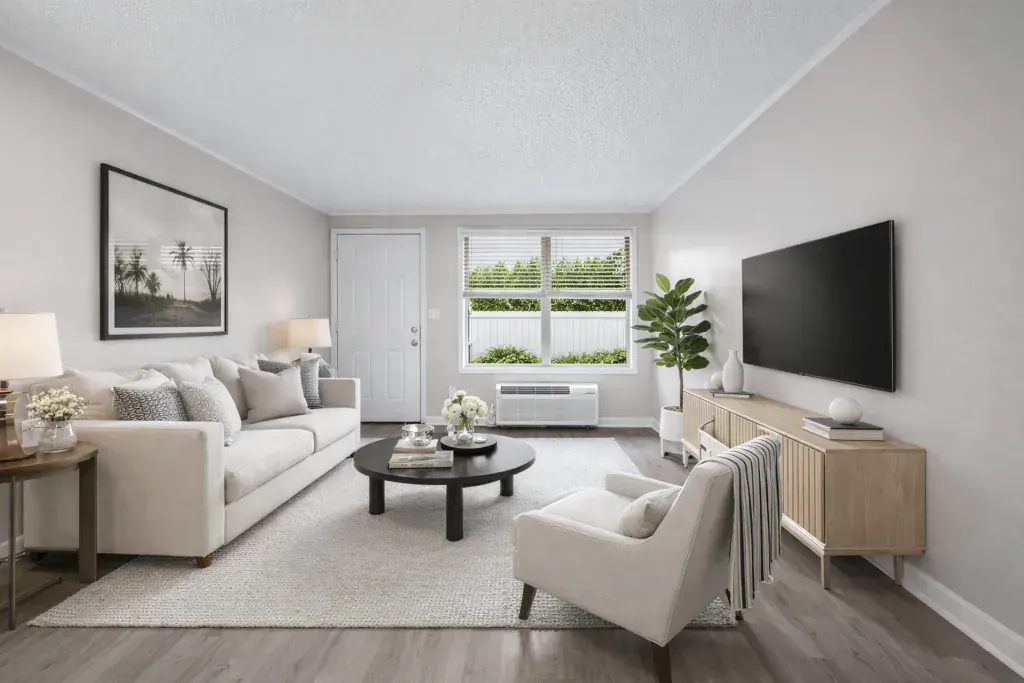
Doors, windows, wall construction, flooring, and heating or cooling equipment all influence the indoor soundscape. During a tour, close the windows and doors, listen from the bedroom, and note whether equipment cycles at a comfortable level.
Landscaping and setbacks can make an outdoor setting feel calmer, but they are not soundproofing. No responsible apartment description should promise silence or guarantee a particular neighbor environment.
03
Balance calm with connection
A tucked-away setting may add distance to main roads or services; a central one may bring more traffic. Decide which sounds and travel tradeoffs matter most to your household. Review community quiet-hour language and the process for reporting a recurring concern. If possible, compare more than one available apartment position rather than judging the entire property from a single doorway.
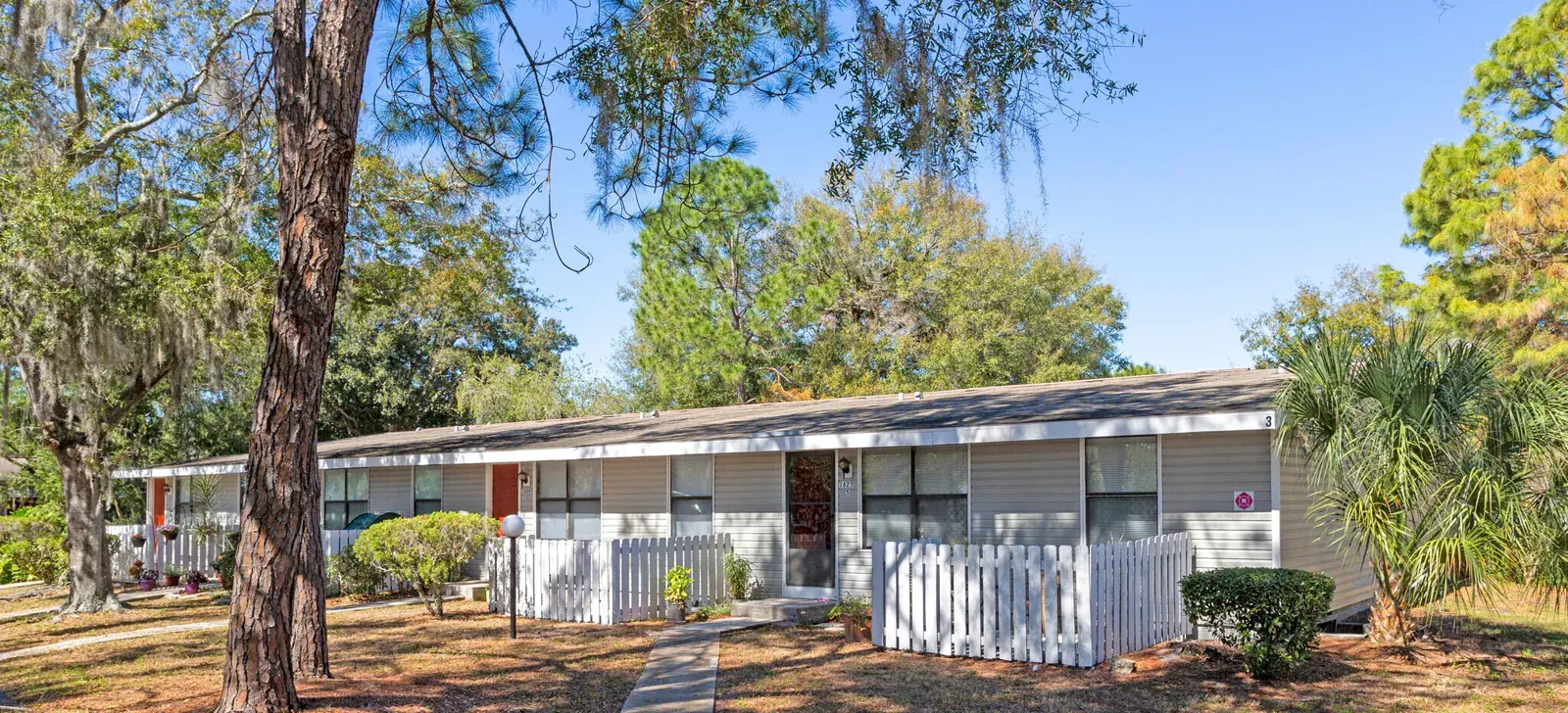
Current local photographs show established landscaping and low-rise homes. Tour the specific apartment to form your own assessment.