
01
Define affordability for your household
Start with the amount your budget can support after taxes, debt payments, food, transportation, healthcare, savings, and other necessities. The advertised rent is only one part of housing cost. Utilities, internet, renter’s insurance, pet charges, parking, laundry, and commute expenses can materially change the total.
Create the same monthly-cost worksheet for every apartment. When a service is included, record it; when a cost is unknown, ask for the billing method and use a cautious estimate rather than assuming zero.
02
Pay for the space and features you use
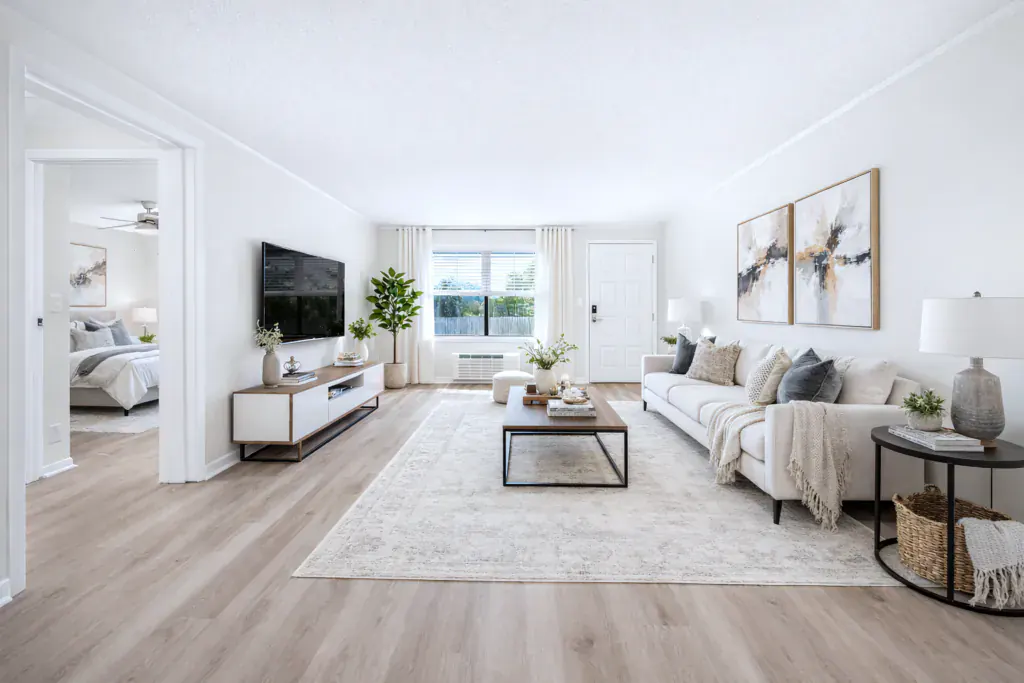
A compact, efficient layout may provide better value than a larger home with rooms that remain unused. Prioritize the features that shape daily life—storage, laundry access, parking, temperature control, outdoor space, and commute—then separate them from appealing extras that would not justify a higher total cost.
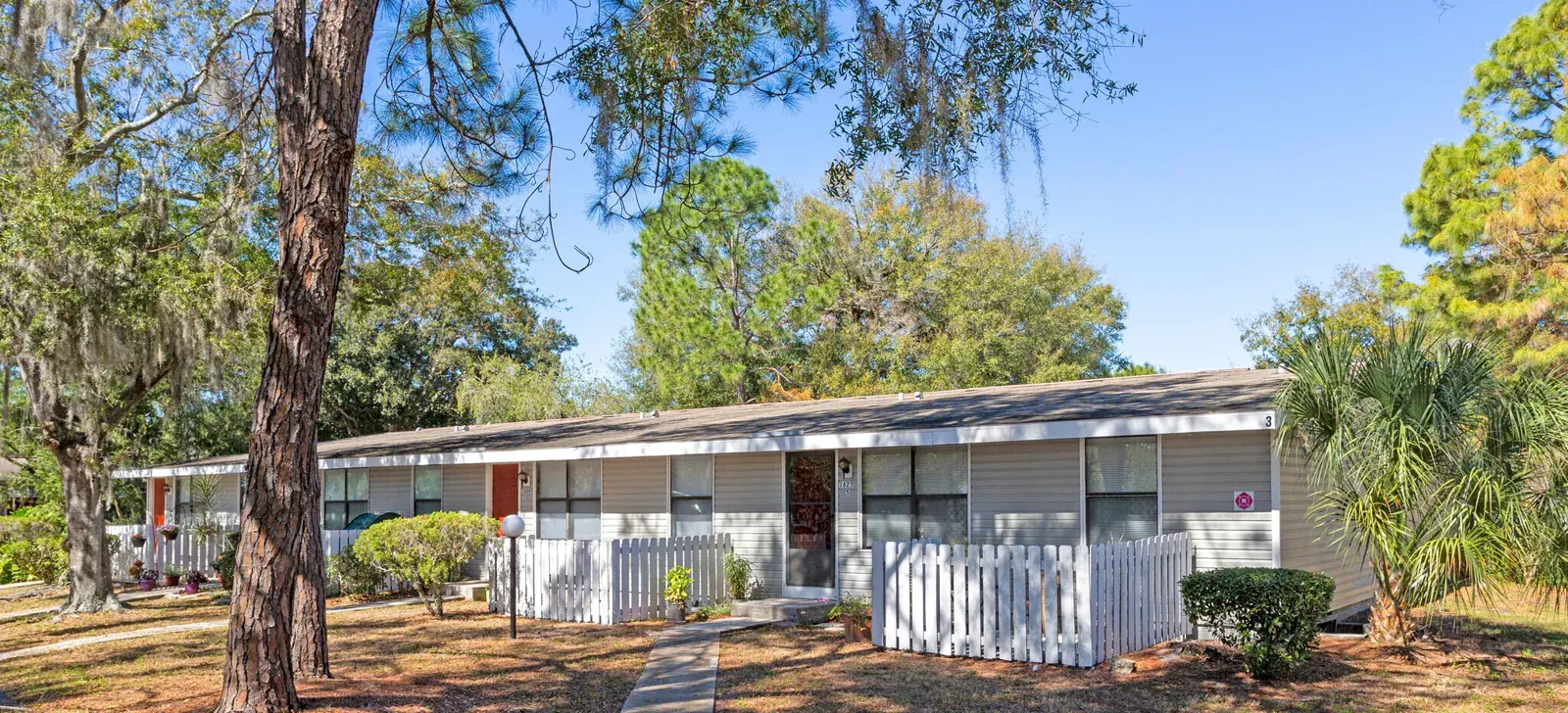
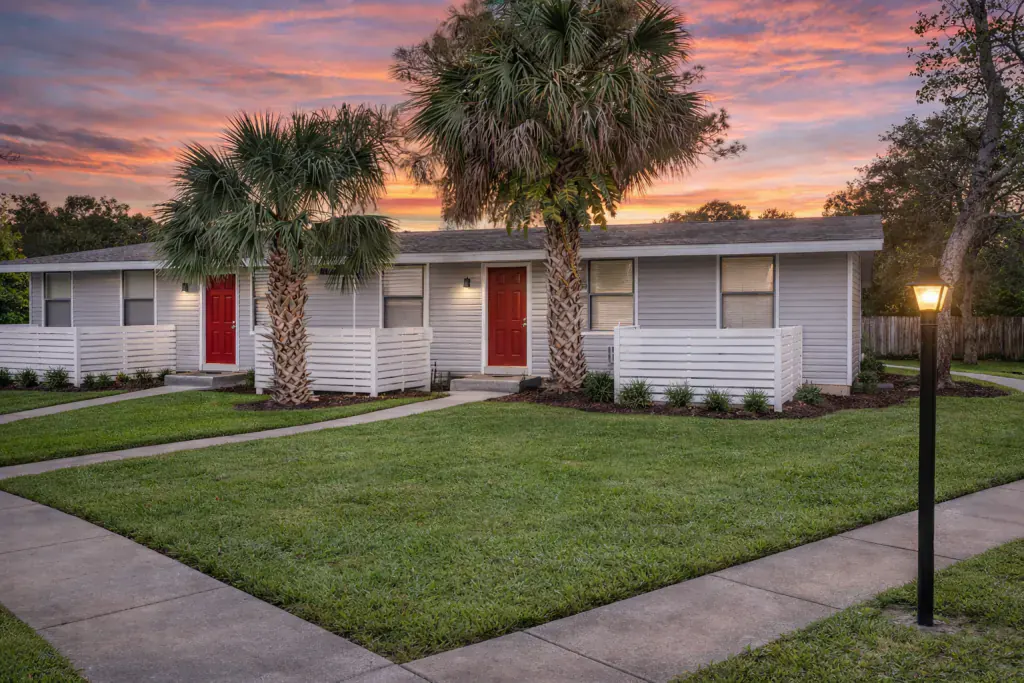
Older or smaller communities can offer a different value balance than large amenity-focused properties. Tour carefully, ask how maintenance is handled, and judge the specific apartment rather than relying on age or marketing category alone.
03
Protect the decision with due diligence
Read the lease, understand the screening process, and never send funds before verifying the property and agreement. Clarify every required charge, notice deadline, utility responsibility, and renewal provision in writing. Keep enough room in the budget for moving costs and unexpected expenses.
Lakewood publishes three layout types. Current rent, fees, deposits, terms, and availability are not published here because they change and must be confirmed with the leasing team.