

01
Plan around the realities of shift work
Healthcare schedules may begin before normal rush hour, end late at night, or change from week to week. When evaluating an apartment, map the route to the actual workplace entrance and test it at the times you are most likely to travel. Consider whether the drive remains straightforward after dark and how construction or peak traffic affects backup routes.
A shorter commute can return useful time for sleep, meals, and personal responsibilities. It can also make schedule changes easier to absorb, especially when an on-call period or an unexpectedly long shift disrupts the day.
02
Look for a home that supports recovery time
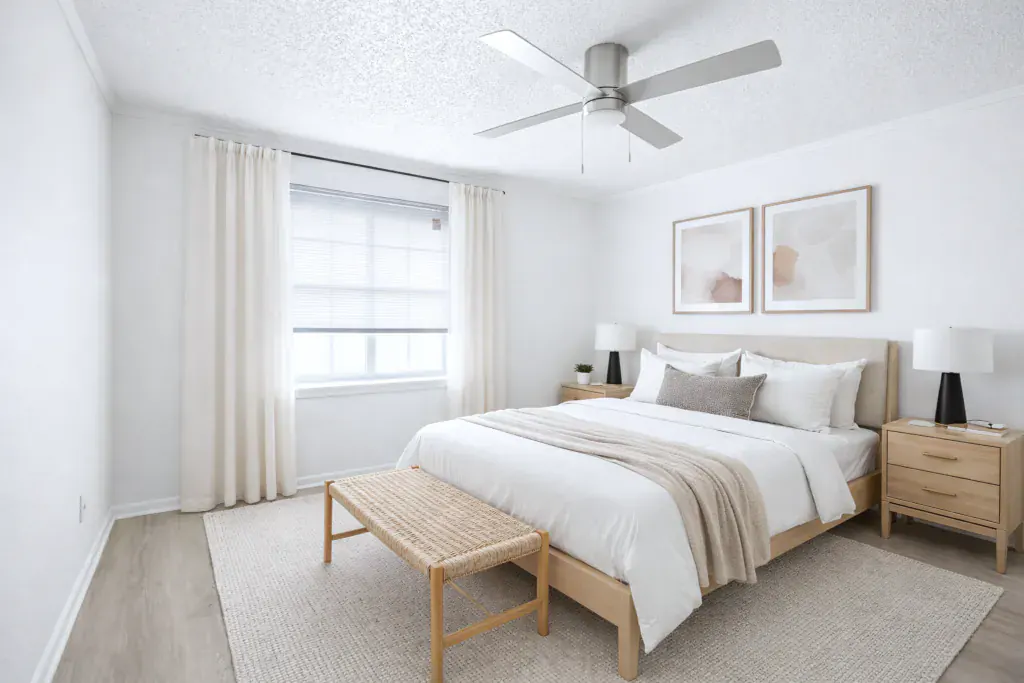
A functional bedroom, controllable temperature, practical laundry access, and a place to prepare simple meals can matter more after a demanding shift than elaborate common-area amenities. During a tour, listen for roadway and neighbor noise, check how window coverings manage daylight, and notice whether the layout separates sleeping space from the main living area.
Parking and the path from the car to the door also deserve attention. A direct, well-lit arrival can make early and late commutes feel simpler.
03
Build a location checklist
List the destinations that recur each week: work, groceries, pharmacy, childcare, fitness, and healthcare. Compare the apartment against the whole routine rather than a single landmark. Ask which features belong to the specific available home and which are community-wide.
Lakewood’s Brandon location and range of layouts can be a useful starting point. Confirm current availability and tour the community to decide whether its setting supports your own work pattern.